

October 30, 2026 · Injurease Clinical Team
Workers Compensation Telehealth: How Online Injury Care Works
Telehealth can save injured workers a long trip. Learn when workers compensation telehealth is covered in NSW, how certificates work and when an in-person visit is still needed.
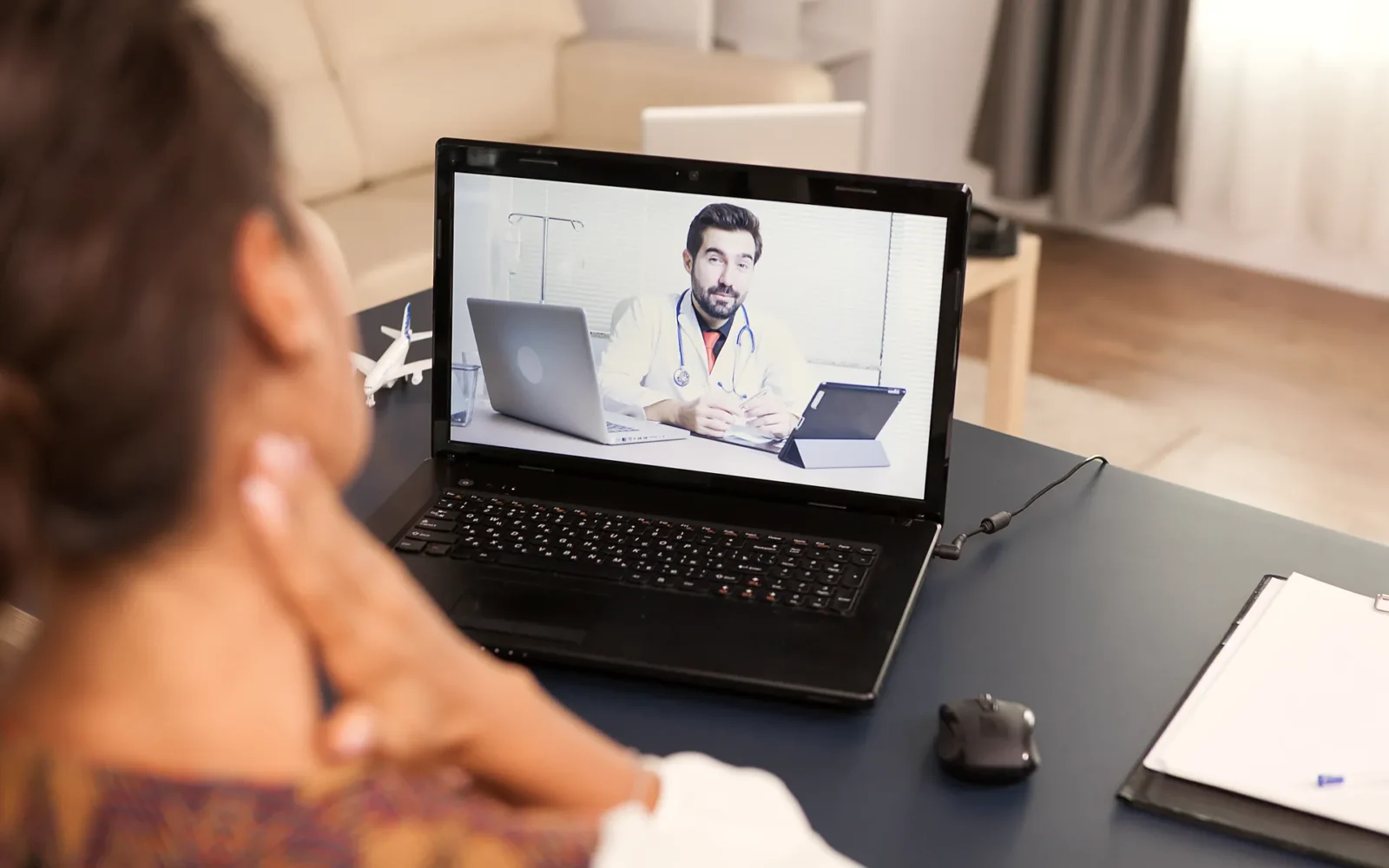
When you are injured, a long drive or a crowded waiting room is the last thing you need. Video consultations can make care easier, especially for reviews. Workers compensation telehealth is now a normal part of injury care in Australia, but it has limits. This guide explains when it works well, how certificates work and when you still need to see a doctor in person.
What is workers compensation telehealth?
Telehealth is a consultation by video, or sometimes by phone, instead of face to face. In a workers compensation claim, it means your treating doctor or allied health provider reviews you remotely. The insurer then pays for the consult in a similar way to a clinic visit, when you meet the scheme rules.
In NSW, SIRA allows providers to deliver some treatment services by telehealth, and it prefers video. Generally, telehealth should be combined with in-person care, rather than replace it completely. Mental health services and some insurer-approved services can be different. SIRA lists the details in its telehealth guidance for medical practitioners.
How a video consult works
First, you book the appointment and receive a secure video link by text or email. At the appointment time, you join from your phone, tablet or computer. The doctor asks about your symptoms, your treatment and how work is going. They may also ask you to move the injured area in front of the camera.

After the consult, the doctor updates your notes and, where clinically appropriate, your certificate. Then they send it to you, and you pass it on to your employer and insurer as usual.
When workers compensation telehealth works well
Telehealth suits many follow-up visits. It often works well for:
- regular reviews when your injury is stable and improving;
- updating a Certificate of Capacity as your hours increase;
- discussing scan or test results and next steps;
- mental health reviews and check-ins;
- people in regional areas, or anyone who finds travel painful.
It can also be a gentle first step for a psychological injury at work, where speaking from home may feel easier.
When you need an in-person visit
Some care doesn’t work well over video. A new injury usually needs a hands-on examination. That’s why your first WorkCover appointment is often best in the clinic. You should also see a doctor in person if your symptoms are getting worse or something new appears. In addition, any procedure, such as a dressing or injection, needs a clinic visit.
For severe pain, chest pain, trouble breathing or signs of a head injury, don’t wait for a video consult. Call 000 or go to an emergency department.
Workers compensation certificates and telehealth
In NSW, a doctor can usually update your Certificate of Capacity after a telehealth consult, when it’s clinically appropriate. Your consent to share information still applies, and the doctor may ask you to confirm it by email or verbally.
Other states have their own rules. In Victoria, for example, WorkSafe sets extra conditions for certificates issued by telehealth. So, if your claim is outside NSW, check your scheme’s rules first. WorkSafe Victoria’s telehealth policy is a good example.
Tips for a smooth video appointment
- Find a quiet, private space with good light and a stable internet connection.
- Charge your device and test the camera and microphone beforehand.
- Wear clothing that lets you show the injured area easily.
- Have your claim number, current certificate and medication list nearby.
- Write down your questions, and note any tasks that still cause pain.
- Ask a support person or interpreter to join if that helps.
How Injurease can help
Injurease offers workers compensation telehealth alongside in-person care. You can book a telehealth appointment for suitable reviews, and see our WorkCover doctors face to face when an examination is needed. Our clinics in Lakemba and Prestons serve Sydney, while telehealth helps patients further away.
Our FAQs page answers common questions. To get started, book an assessment or call 1300 146 587.