

November 11, 2026 · Injurease Clinical Team
Psychological Injury at Work in NSW: The 2026 Changes Explained
NSW changed how psychological injury claims work from 1 July 2026. Here is a plain-English summary of the new test, what it covers and how to get support.

A psychological injury at work can affect sleep, concentration, relationships and your ability to do your job. In NSW, the rules for these claims changed in 2026. This guide explains the new approach in plain English, the kinds of events it covers and how to get support early, whether or not you make a claim.
If you feel unsafe or are thinking about harming yourself, call 000 now. You can also call Lifeline on 13 11 14, 24 hours a day.
What is a psychological injury at work?
A psychological injury is a diagnosed mental health condition, such as an anxiety disorder, depression or post-traumatic stress disorder. A doctor or psychologist makes the diagnosis. Feeling stressed after a hard week is not the same thing, although ongoing stress can contribute to a condition.
NSW also separates two types. A primary psychological injury comes directly from events at work. A secondary one develops because of a physical work injury, for example depression after a long back injury. The 2026 changes mainly affect primary injuries.
What changed in July 2026
From 1 July 2026, new rules apply to most primary psychological injury claims notified from that date. In broad terms, a claim now needs three things:
- a relevant event at work that caused the injury;
- a real and direct connection between the injury and your employment;
- employment as the main contributing factor.
Relevant events include, for example, bullying, sexual harassment, racial harassment, violence or threats of violence, and witnessing or responding to traumatic events. By contrast, claims based mainly on reasonable management action are generally excluded. That covers things like fair performance management or a reasonable roster change. General work pressure or ordinary workplace conflict is usually not enough on its own.
The reforms also changed some long-term benefits. For example, higher impairment thresholds now apply to certain ongoing payments and damages. Some groups, such as police officers, paramedics and firefighters, have different arrangements. Because these rules are detailed, check the SIRA guidance on psychological injuries for your situation.
Signs of a psychological injury at work
Everyone reacts differently, so there is no single checklist. Even so, these signs are common and worth talking to a GP about:
- trouble sleeping, or dreading the start of each work week;
- constant worry, low mood or feeling on edge;
- flashbacks or avoiding places linked to an incident;
- headaches, stomach upsets or tiredness with no clear cause;
- pulling away from family, friends or colleagues.
If these signs last more than a couple of weeks, or they affect your work or home life, it’s time to get help. Early care usually leads to a better recovery.
Getting support early
Start with a GP you trust. They can assess you, make a diagnosis where appropriate and refer you to a psychologist. Many workplaces also offer a free, confidential employee assistance program. You can use it whether or not you make a claim.
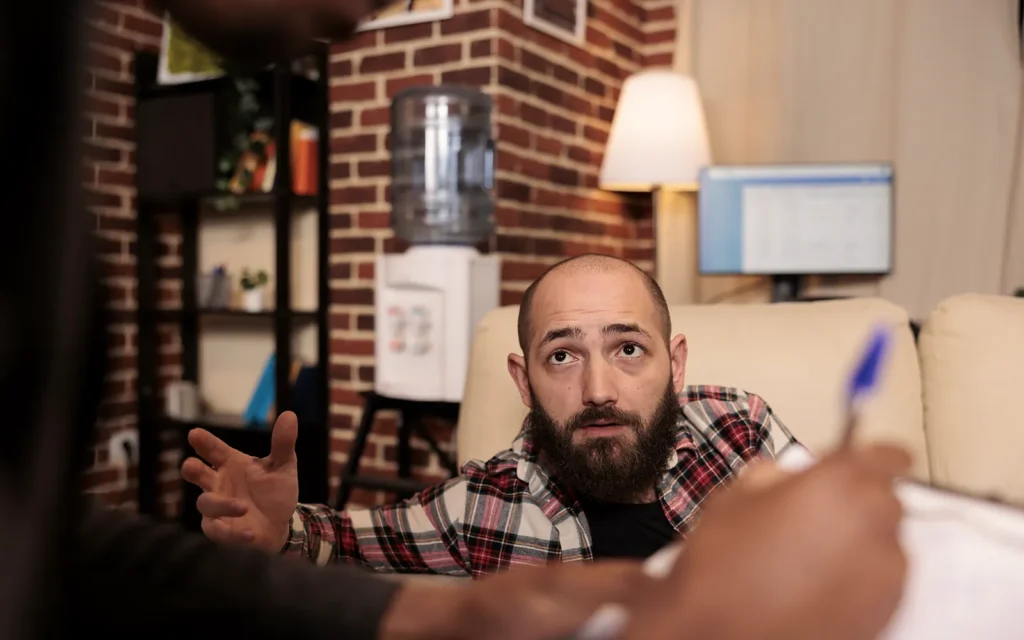
If the problem involves a person or event at work, write down what happened, when and who was there. Keep emails and messages. In addition, think about telling a manager, HR or another person you trust, if it feels safe to do so. Your employer has a duty to manage psychosocial risks, so reporting can lead to changes at work.
For some people, a video consult feels easier at first. Workers compensation telehealth can suit mental health reviews in particular.
Making a psychological injury claim
To claim, tell your employer about the injury, see a doctor and lodge a claim with the insurer. The process for a psychological injury at work is now more structured than for a physical injury. Depending on the event, the insurer may take longer to decide. In some bullying or harassment claims, the Industrial Relations Commission may also need to decide whether the conduct happened.
Because the rules are new, independent advice is worth getting early. The Independent Review Office offers free help on 13 94 76 and has published a summary of the 2026 reforms. Our guide to your first WorkCover appointment also explains what the doctor will need.
How Injurease can help
Our WorkCover doctors assess both physical and psychological injuries and coordinate referrals to psychologists. Through our injury claim support service, we also help with certificates and communication with your employer and insurer. Employers can read our guide to employer obligations in NSW.
You can see us in Lakemba or Prestons, or start with a telehealth appointment. To arrange a visit, book an assessment or call 1300 146 587.
This article is general information only and is not medical or legal advice. The 2026 reforms are complex and some details depend on your claim, so check with SIRA, your insurer or the Independent Review Office on 13 94 76. For crisis support, call Lifeline on 13 11 14 or 000 in an emergency.